
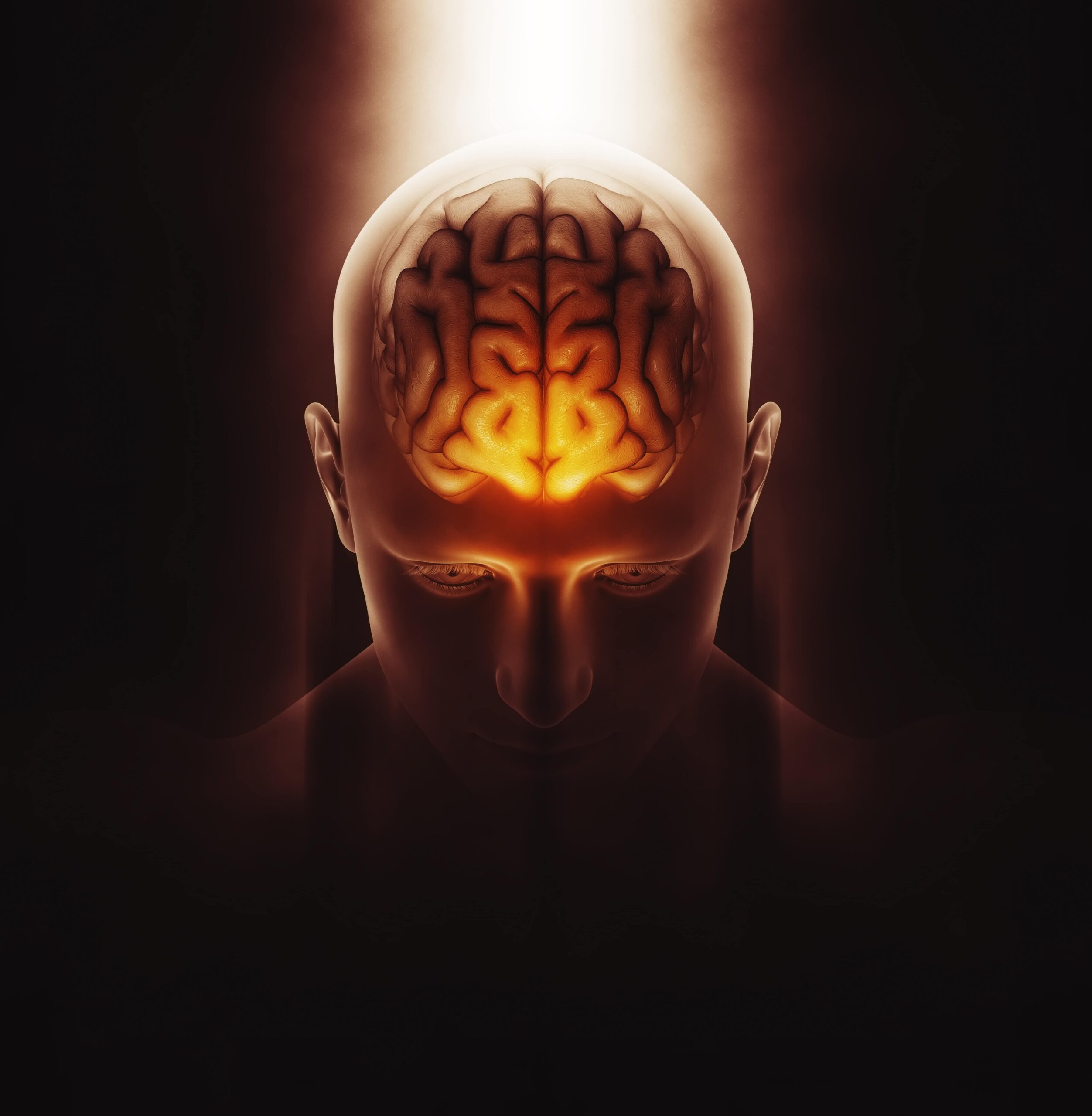
What is Neuroscience Coaching?
What if someday a way is discovered through which you start getting solutions to all your problems, that too in the most accurate way, by just observing certain intricacies of your brain? Even thinking about the idea of such a possibility for a moment makes one relieved of all the burdens one carries, especially those carried in one’s mind. But the best part is that such a system has been successfully formulated and thrivingly being practiced too and is known as Neuroscience Coaching. Neuroscience is the study of the functioning of brain and nervous system, while coaching is guiding someone to achieve progress in a certain field. This field has been recently introduced and works by combining the skill of coaching and science of mind. As a new field, neuroscience coaching works in a way that is different from the other fields and holds its own strengths and weaknesses.
How it works?
Neuroscience coaching, as a newly established discipline, brings techniques in the field of coaching that are new and way more practical than the ones already existing. Being a multidisciplinary field, it encompasses the practices of neuroscience, psychology, sociology, coaching techniques and much more. It not only helps the client in personal growth, but also makes the coach better at coaching. It allows coaches, while working with a client, to examine, control and regulate the basic neuronal processes that originate thoughts, emotions and behaviors. The acknowledgement and understanding of the functioning of the brain makes the coach, as well as client, capable of thinking better, feeling aptly and making decisions that are full of sagacity. By being aware of the certain intricacies of the brain, one can give appropriate directions to thoughts and feelings. This will thus help in emotional regulation, habit formation and improving the overall performance of the client.
Key Concepts:
Among the key concepts that come under this field, the major ones are neuroplasticity and positive intelligence. Neuroplasticity is a process which deals with the persistent changes, both structural and physiological, that take place in the human brain throughout. These changes form new links between neurons and thus create new networks in response to the emotions, thoughts, actions and experiences, which we go through. Meanwhile, Positive Intelligence is a concept and skill that enables us to manage our thoughts, balance our emotions and create a perspective that will help our mind to act in our best interest. This skill helps individuals in controlling their minds and thus empowering them to attain their full potential. By understanding these key terms, a coach becomes able to understand the changes that take place in a client’s brain and can help the client to direct those changes in the direction that suits his/her best interest.
Research in the Field:
Richard E. Boyatzis, an American author and professor, initiated the work in neuroscience coaching. He, along with his team, used fMRI studies to probe into some of the neuronal processes that take place while coaching. Through fMRI scanning, they documented the responses of the human brain to two different coaching methods: compassionate and critical. From these experiments came the concepts of Positive Emotional Attractor (PEA), associated with compassionate coaching method and Negative Emotional Attractor (NEA), associated with critical coaching method. This study suggested that through PEA coaching the areas of brain associated with big-picture thinking, parasympathetic modulation, stress regulation, motivation and engagement are activated. These findings provided the basis for further research in the field.
Strengths and Weaknesses:
Like any other field, neuroscience coaching is also not free from both strengths and weaknesses. As for strengths, it enables a coach to directly address the mental problems, if any, in the clients, which hinder their growth in a specific field. This would help a client to know exactly what to do, by preventing him or her from wasting time on all the different sets of strategies that could possibly not work for him or her. But, on the other hand, it requires a coach to be literate in not only the specific field he works for, but also in the field of neuroscience. Only then would a coach be able to completely apply the techniques of neuroscience in coaching. But this would rather be challenging and time taking for a coach to get efficient in both the fields, for neuroscience itself combines different subjects and is composed of complex theories and concepts.
Conclusion:
Hence, as a new field, neuroscience coaching gives a blueprint for revolutionized personal development. By deranging the traditional psychological models, that form the basis of coaching, this field is introducing research-based models, that are latest and more practical. Being a recently introduced domain in coaching, it is not much known yet. But the day-to-day advancements and developments in the field suggest that it is going to be the dominant method of coaching in the coming years. If this field flourishes in the near future, it will help humanity in unlocking those of its potentials that were yet unknown to us. Therefore, professionals need to actively and attentively participate in the amelioration of this field, so that humanity could procure much of the benefits this field has to offer.
Sabah Aqil
Owner/Founder of Inner Voice, Executive Coach